
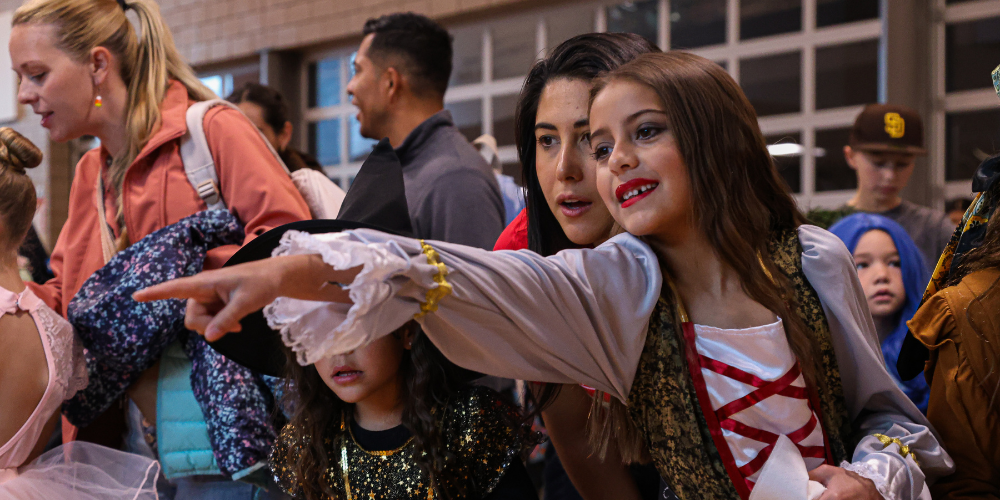
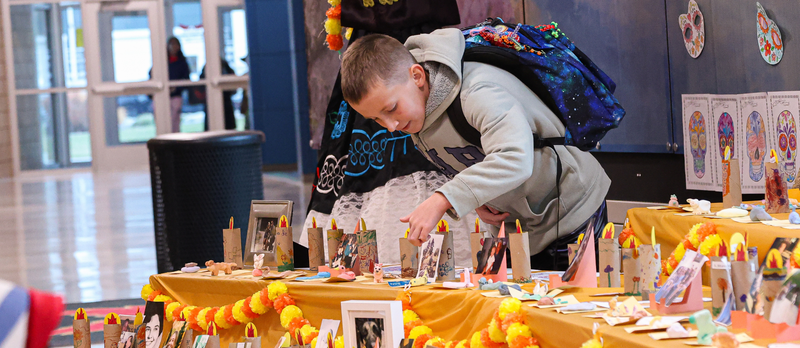
Día de los Muertos, or Day of the Dead, is a tradition rooted in Mexican culture that brings families and communities together to remember and honor loved ones who have passed away. The tradition often includes ofrendas, or altars, decorated with photographs, flowers, favorite foods and meaningful belongings that help keep the memories of loved ones alive.
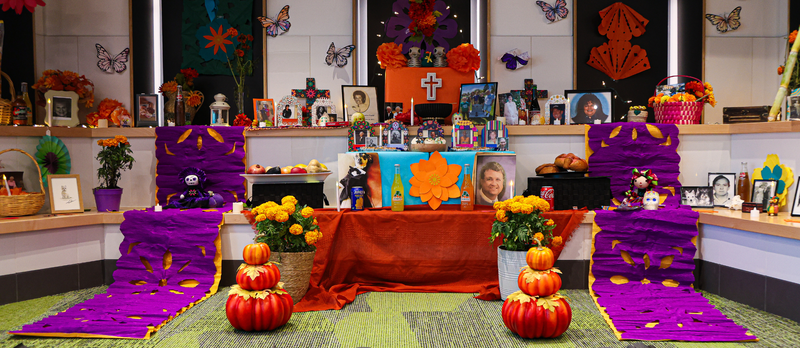 Across Davis School District, students and teachers found meaningful ways to celebrate the tradition, bringing cultural learning, family connections and personal stories into their schools.
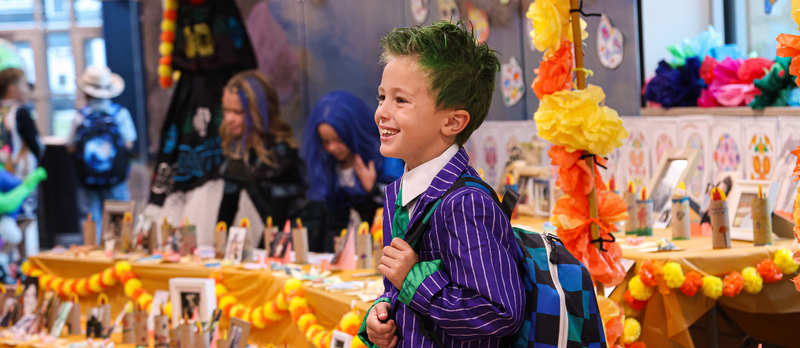 At Canyon Creek Elementary School, students created crafts, brought photographs of their ancestors and helped prepare an ofrenda for the school community. Parents, grandparents and other family members were invited to visit the display, making the celebration an opportunity for generations to come together and share in the tradition. With a large Spanish Dual Language Immersion community, celebrating Día de los Muertos is an especially meaningful part of the school's cultural learning experiences.
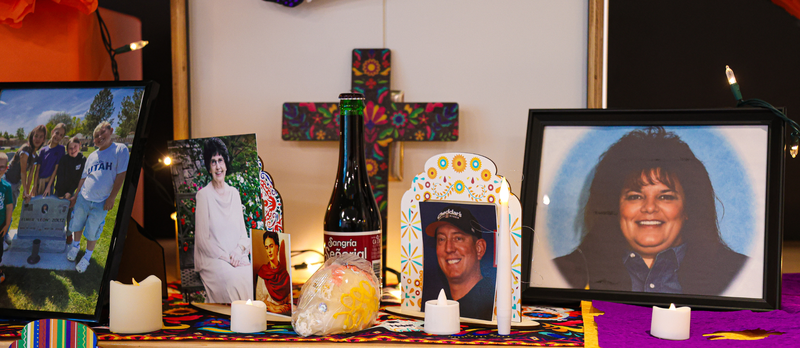 At Horizon Junior High School, Spanish teachers and students worked together to create an ofrenda featuring photographs of ancestors and meaningful belongings that represented the people they were remembering. Each item offered a personal connection to the lives and memories being honored.
 These are just two examples of the many ways schools across the district recognized Día de los Muertos. Whether through classroom activities, family displays or collaborative projects, students had opportunities to explore the history and significance of the tradition while learning from one another.